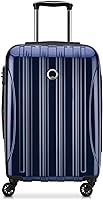
How to Choose a Suitcase: Size, Shell, Wheels, Weight
To choose a suitcase, match its size and weight to your trip, then compare shell type, wheels and organization. Check your airline’s current limits before you settle on a carry-on.
On this page (9 sections)
- How do you choose a suitcase size?
- How to choose a suitcase shell for your trip
- Which suitcase wheels should you choose?
- How much should a suitcase weigh?
- Which suitcase features are useful?
- Which suitcase fits different travel needs?
- What should you do before using a new suitcase?
- What suitcase buying mistakes should you avoid?
- How to choose a suitcase you’ll use often
To choose a suitcase, match its size to your trip and airline rules, then compare shell type, wheels, weight and organization. The right choice is the smallest bag that fits what you normally pack and is comfortable to move.
Start with your usual trip, not the biggest trip you might take someday. If you’re comparing brands, our guide to luggage brands for carry-on bags can help you narrow the field.
How do you choose a suitcase size?
Choose the smallest suitcase that comfortably fits your normal packing list. Check outside dimensions, including wheels and handles, because interior space does not determine whether a bag meets an airline’s size rules.
For a carry-on, look up the current limit for your airline and route before buying. Policies can differ, and a bag that fits one airline’s rule may not fit another’s.
Our carry-on size guide explains what measurements to check. For a longer trip or bulky items, consider a checked case if you’re comfortable lifting and storing it.
| Trip pattern | A useful starting point | Check before buying |
|---|---|---|
| Short trip with light packing | Carry-on | Airline dimensions and packed weight |
| Several days with more clothing | Larger carry-on or checked bag | Capacity, outside measurements and weight |
| Family or varied trip lengths | Suitcase set | Whether each size serves a real need |
These are starting points, not fixed rules. Your packing habits, clothing bulk and the bag’s shape can matter as much as the number of days away.
How do you measure a suitcase before choosing one?
Measure the bag from its outermost points, including wheels, handles and anything that sticks out. Compare those dimensions with your airline’s carry-on limit rather than relying on the label “carry-on size.”
If you’re shopping for a cabin bag, our guide on measuring carry-on luggage walks through the key measurements. Leave some room for variation if the bag has flexible sides or an expansion zipper.
Before ordering, check both the case dimensions and whether the measurement includes its wheels and handles. A common mistake is comparing a suitcase’s interior measurements with an airline’s exterior size limit.
How to choose a suitcase shell for your trip
Choose a hard shell if you want a firm outer case, or softside if exterior pockets and a flexible fabric case suit your packing habits. Neither shell type is right for every traveler, so compare the specific material and layout.
Hard shells have a fixed shape and can have a smooth or textured surface. Softside cases often have fabric exteriors and may offer pockets for things you want to reach without opening the main compartment.
Material matters within each type. The Samsonite Freeform uses polypropylene, while the Amazon Basics carry-on and Rockland set use ABS.
For a closer look at these materials, read our polycarbonate vs ABS luggage guide.
Think about where you’ll use the bag and what needs to go inside. If you want outside pockets for quick access, look for a softside layout that includes them; if you prefer a firm case, check how its divider and pockets organize your things.
Don’t assume a material name guarantees a particular level of durability. Check the care instructions and any warranty terms, and consider whether the bag’s layout suits your regular trips.
Which suitcase wheels should you choose?
Choose wheels based on where you’ll roll the bag and how you prefer to move it. Spinner wheels turn in multiple directions, while two-wheel designs roll behind you; either style can suit a different route.
Four-wheel spinners can be convenient in airports and other smooth, open spaces because you can roll the case beside you. Two-wheel bags are pulled behind, which some travelers prefer on uneven pavement.
Wheel count alone doesn’t tell you how a case will feel to maneuver or how long its wheels will last. For the trade-offs, see our spinner vs two-wheel carry-on guide.
When you compare wheel layouts, picture your actual route: airport floors, sidewalks, stairs and crowded aisles. A spinner can move in more directions, but you’ll still need to lift any wheeled case over steps and curbs.
How much should a suitcase weigh?
Choose an empty bag that leaves enough room for your packed belongings under your airline’s weight limit. Compare the empty weight of bags with similar dimensions, then check the current allowance for your flight.
A lighter case can leave more of your weight allowance for clothing and gear. But weight should not be your only filter: the bag still needs to meet size rules, carry your planned load and organize it in a way that works for you.
Among these examples, the Travelpro Maxlite 5 weighs 5.4 lb, the Samsonite Freeform weighs 6.5 lb, and the Amazon Basics carry-on weighs 7.7 lb. The Rockland set’s 10.89 kg weight is for the set, so it is not a like-for-like comparison with one carry-on.
For more options, see our guide to lightweight carry-on luggage. Our article on carry-on bag weight limits explains what to check before you fly.
A common mistake is comparing empty weight without considering what you’ll pack. A light bag with little useful organization may not suit you as well as a slightly heavier case that keeps your belongings in place.
Which suitcase features are useful?
Choose features that solve a real packing or travel problem. A divider, pockets, expansion or a particular handle layout only helps if you’ll use it.
- Interior dividers and pockets: Separate clothing, shoes or small items. The Samsonite Freeform has a divider and pouch, and the Amazon Basics carry-on has an interior divider and 3 zippered pockets.
- Exterior pockets: Keep small items accessible without opening the main compartment. The Travelpro Maxlite 5 has 2 exterior pockets.
- Expansion: Add packing room when needed, but check the expanded dimensions against airline rules. The Travelpro expands by up to 2 in, and Amazon Basics says its carry-on can expand up to 25%.
- Handles: Think about how you’ll lift the bag into a car, overhead bin or storage area. Handle count and placement vary.
- Sets: A set can cover trips with different packing needs, but only if you have space to store all the cases. Our guide to luggage set sizes compares common case sizes.
Set up the interior around what you pack most often. Put heavier items low and close to the wheel end, use straps or dividers to limit shifting, and keep travel documents or other essentials where you can reach them.
Expansion is useful when you bring home extra items, but it can make an already full bag harder to fit in an overhead bin. Check the expanded size before relying on the extra room for a carry-on trip.
Which suitcase fits different travel needs?
The best match depends on which trade-offs matter most to you. These four options include a hard-shell carry-on, a softside spinner and a set with three sizes.
Samsonite Freeform: a hardside carry-on with interior organization
The Samsonite Freeform is a polypropylene hardside carry-on with spinner wheels, a divider, elastic straps and a pouch. Its weight is 6.5 lb, and its exterior dimensions are about 15 x 10 x 23 in.
Choose it if you want a hard case and interior sections to keep belongings in place. It suits travelers who value an organized main compartment and don’t need softside exterior pockets.
Skip it if you want a particularly light carry-on or need outside pockets for quick access. Check its outer dimensions against your airline’s current limit before flying.
Travelpro Maxlite 5: a lighter softside carry-on
The Travelpro Maxlite 5 is a softside spinner weighing 5.4 lb. It has 2 exterior pockets, interior pockets and an expansion zipper that adds up to 2 in of packing space.
Choose it if you prefer fabric sides, quick-access pockets and a lighter empty bag. Its pockets suit travelers who want to reach small items without opening the main compartment.
Skip it if you prefer a firm hard shell or don’t want to manage expansion when checking carry-on size. Compare the regular and expanded dimensions with your airline’s limit.
Rockland London: a three-piece set
The Rockland London set includes carry-on, 24 in and 28 in cases, with ABS shells and spinner wheels. A set can help if you travel with different amounts of luggage, but consider where you’ll store the two larger cases.
Choose it if you have storage space and expect to use more than one size. A family or traveler with both short and longer trips may appreciate having several case sizes ready.
Skip it if you usually travel with one bag or have little room to store luggage. A single suitcase may be easier to manage, and a set is a poor fit if its larger cases will sit unused.
Amazon Basics: an expandable hard-shell carry-on
The Amazon Basics carry-on is an ABS hard shell with spinner wheels, an interior divider and 3 zippered pockets. It weighs 7.7 lb and can expand up to 25% for more packing space.
Choose it if you want a hard case with expansion and interior pockets. The divider and pockets can help separate small items, while the expansion offers flexibility for a fuller return trip.
Skip it if keeping empty weight low is your top priority or you need a built-in lock. Confirm dimensions in both configurations before relying on it as a carry-on.
What should you do before using a new suitcase?
Check the handles, zipper, wheels and expansion zipper before packing for a trip. Read the care instructions for the material, and make sure each compartment and strap works the way you expect.
Pack a small amount first and roll the case on the kinds of surfaces you use most. Adjust the handle, check that the bag turns as expected, and make sure you can lift it comfortably when it’s packed.
Don’t overfill the case just because the zipper closes. A packed bag can be heavier than expected, and excess contents can make it harder to lift, store or keep within airline size and weight limits.
After a trip, empty every pocket and let the interior air out before storing the suitcase. Wipe the exterior and wheels according to the care guidance for its material, and store the bag where it won’t be crushed by other items.
What suitcase buying mistakes should you avoid?
The most common mistake is buying based on a single feature, such as shell material, wheel count or expansion. A suitcase is a better fit when its size, weight, organization and handling work together for your regular trips.
Avoid these shortcuts:
- Buying by the carry-on label alone: Check exterior measurements with wheels and handles, then confirm your airline’s current rules.
- Choosing the biggest case “just in case”: Extra capacity can mean more weight to lift and more space to store at home.
- Treating expansion as free capacity: Expanded depth may affect whether the bag fits in a cabin sizer.
- Comparing set weight with one-bag weight: Check the weight of an individual case when available.
- Paying for features you won’t use: Extra pockets, expansion or multiple case sizes matter only if they fit your habits.
- Ignoring storage at home: A three-piece set needs somewhere to go between trips.
A quick final check can prevent regret: write down your usual packing list, measure the space where you store luggage and check the airline dimensions for your most common route. Then compare only bags that fit those needs.
How to choose a suitcase you’ll use often
To decide how to choose a suitcase, start with your most common trip and choose a bag that fits the packing list, airline rules and storage space you actually have. Choose a hard shell for a firm case, softside for useful exterior pockets, and wheels that suit your routes.
Choose the Travelpro Maxlite 5 if a lighter softside case and quick-access pockets are priorities. Choose the Samsonite Freeform or Amazon Basics carry-on if you want a hard case with interior organization; choose the Rockland set if you’ll use several sizes and can store them.
Before you buy, compare outside dimensions, empty weight and interior layout. If a carry-on is your main choice, start with our plain-English carry-on luggage guide and confirm the rules for your flight.
Frequently asked questions
How do I choose the right suitcase size?
Choose the smallest suitcase that fits your planned clothing and gear, then check its outside dimensions against your airline’s current limits. A carry-on suits shorter trips if you can pack within those limits; longer trips or bulky items may call for checked luggage.
Measure the bag with wheels and handles.
Is a hard shell or softside suitcase better?
A hard shell has a firm outer case, while a softside bag can offer exterior pockets and some flexibility. The better choice depends on what you pack and how you travel.
Compare materials, organization and dimensions, and follow the care instructions for the bag you choose.
Are spinner wheels or two-wheel suitcases better?
Spinner wheels turn in multiple directions, which can make a bag easier to roll beside you on smooth floors. Two-wheel bags roll behind you and may suit routes with uneven pavement.
Choose based on where you walk and how you prefer to pull or guide a case.
How heavy should a suitcase be?
Pick a suitcase light enough to leave room under your airline’s weight limit for what you plan to pack. Compare the empty weight of bags in the same size range, then check the airline’s current allowance for your route.
A light suitcase still needs to fit your belongings and size limits.
Do I need an expandable suitcase?
An expandable suitcase can add packing room when you need it, but expansion can change the bag’s outside dimensions. Check both its regular and expanded measurements against your airline’s limits.
If you rarely bring home extra items, a fixed-size bag may be simpler to pack and store.